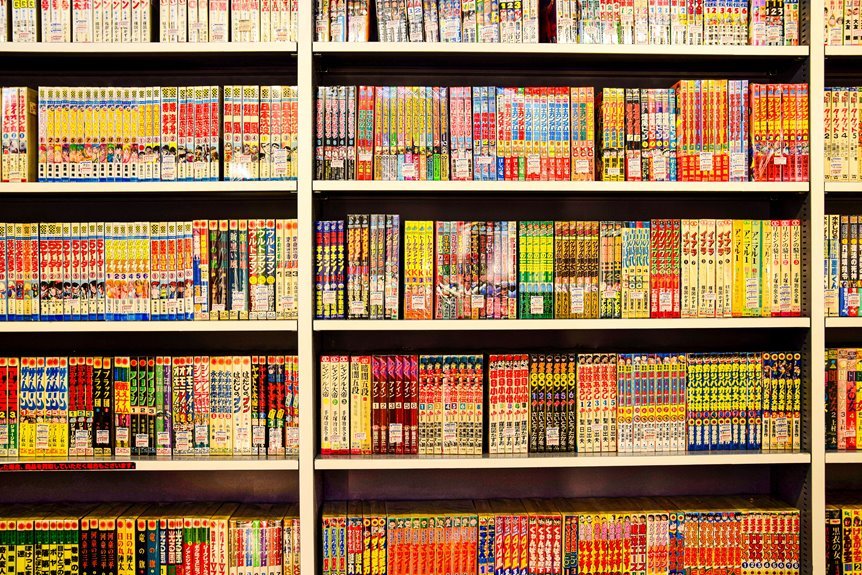
Light novels rely on prose to reveal inner motives and world rules, while manga translates action through images and rhythm. Prose invites interiority and extended exposition; panels choreograph tempo and emotion. Serialized chapters and volumes structure commitment differently from continuous page flow. Each format implies distinct tonal latitude and pacing. The choice affects interpretation and immersion, leaving readers to weigh depth against immediacy as they consider which format aligns with their goals. The choice may hinge on what comes next.
What Distinguishes Light Novels From Manga
Light novels and manga occupy distinct narrative media, each shaping story through different formal constraints: light novels rely on prose to convey interiority, description, and exposition, while manga uses sequential art and panels to express action and emotion. The distinction rests on Prose vs Dialogue and Illustrations vs Adaptations, where narrative emphasis shifts from inner reflection to visual storytelling, guiding reader engagement and interpretation with disciplined clarity.
How Prose and Panels Shape Storytelling
Prose and panels guide storytelling by constraining how time, perspective, and detail are distributed across a work. Prose pacing shapes character inner life and narrative tempo, while panel layout choreographs visual rhythm, emphasis, and transition.
Together, they determine information flow and reader interpretation, balancing description with decisive imagery. The dynamic invites flexible engagement without sacrificing coherence or thematic focus.
Reading Habits: Chapters, Volumes, and Pacing
Chapters, volumes, and pacing structure how readers experience a narrative, distributing continuity and interruption across serialized installments. Reading habits reveal cadence: frequent releases invite momentum, while longer gaps encourage reflection. In light novels, tone differences arise between prose-driven chapters and illustrated interludes; manga emphasizes panel flow and pacing. Illustration relevance shapes engagement, yet consistency of tone guides reader interpretation and retention.
Choosing the Right Format for Your Reading Goals
Choosing the right format hinges on aligning reading goals with medium-specific strengths. Readers seeking rapid immersion may prefer manga’s visual pacing, while those chasing internal monologue benefit from light novels’ prose depth. This analysis weighs format impact and choices pairing to match objectives: quick previews, dialogue emphasis, or extended worldbuilding. A disciplined selection minimizes friction and clarifies task-oriented preferences for freedom-loving readers.
Frequently Asked Questions
Do Light Novels Require Special Editions for Translations?
Translation editions can be necessary for official releases, but not mandatory; they formalize standards. Fan translations exist, yet they vary in accuracy. The choice hinges on balance between accessibility, fidelity, and perceived quality within translation editions.
Which Format Offers Richer Character Inner Thoughts?
Both formats offer varying character depth, but light novels typically provide richer inner thoughts via extended narration, while manga relies on visual narrative and dialogue; thus narrative perspective often yields deeper introspection in prose, though execution varies.
How Do Voice Acting Compare to Authorial Narration?
Voice acting dwarfs author narration in immediacy, yet both deliver distinct effects; voice acting amplifies emotion and cadence, while author narration provides granular, deliberate context. The balance favors expressive performance with concise, analytical narration for freedom-loving audiences.
Are There Manga Adaptations With Altered Plots?
Yes, some manga adaptations feature altered plots due to adaptation liberties, balancing fidelity against narrative clarity. These choices reflect adaptation liberties, aiming to preserve core themes while adjusting pacing, in turn shaping reception, interpretation, and reader expectations.
Can You Legally Read Both Formats Online for Free?
Yes, there are legal avenues offering free access to some titles, but licensing implications vary by region and platform, making the answer context-dependent. The two word discussion ideas: access rights. Free access, licensing implications frame the evaluation.
Conclusion
Both formats shape perception through distinct mechanisms: light novels foreground interiority and exposition, while manga emphasizes motion and mood through imagery. Prose scaffolds world-building; panels choreograph pace and visual rhythm. Reading habits diverge—chapter bounds and volumes versus continuous panel flow—alter immersion and timing. For readers, the choice aligns with goals: depth and reflection or immediacy and spectacle. Like a lens and a brush, each format reframes narrative, inviting evaluative judgment on what the story asks to be and how it wants to be seen.
