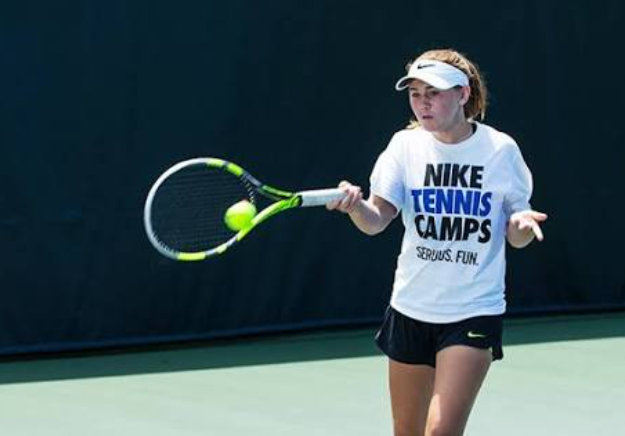
Taking Your Game to the Next Level Through Solo Return Practice
Making a return of the first serve traveling at breakneck speed and with pinpoint accuracy requires split-second reflexes, impeccable split step timing, and short swings. When you don’t have the benefit of using the services of a classic hitting partner, making your returns without assistance may appear a difficult task, but there are solo training techniques to fill this void. explore specialized solo routines designed for rapid reflex acquisition, check out the official practice serve returns alone resource hub. For information about special solo training techniques for developing fast reflexes, visit our serve returns alone training resource.
Simulating Live Feeds With a Programmable Ball Machine
Using a programmable ball machine set up to provide deep and spin-heavy feeds will let you duplicate the speed and spin of your opponents’ serves. By fine-tuning the ball machine’s elevation and wheel speeds, you will be able to train yourself how to read the ball trajectory and reduce reaction time.
Achieving Proper Split Step Timing and Balance
The perfect shot always starts with an explosive split step timed precisely at the moment when the server drops the racket, which guarantees that your momentum is forward as the ball gets close. Shadow exercises and rapid footwork drills help your nervous system learn how to explosively move in the right direction. Maintaining proper balance ensures that you do not get caught off-balance when facing heavy flat or kick serves.
Quickening the Backswing for Optimal Contact Point
Unlike a baseline stroke where you can take your time in setting up your shot, a good serve requires you to have a quick and compact backswing in order to control the speed of the shot. The use of your weaker hand to bring the racket handle back quickly ensures that your arms don’t give in.
Directional Targets and Crosscourt Depth Implementation
By choosing bigger and safer targets such as the deep crosscourts or high percentage down the lines areas, you can effectively take away the server’s instant advantage. Placing physical visual guides along the baseline allows you to send back fast balls with accurate depth and consistency. Proper positioning allows you to convert your defense into offense.
See also: How Process Mining Reveals Business Insights
Absolute Mastery Through Solo Training Practice
Getting your return game in shape without professional help requires a lot of patience and discipline on your part, along with a carefully structured weekly plan highlighting your ongoing improvements. For fast-track your technical progress and master explosive reactions, explore the comprehensive practice serve returns alone training guides today.
