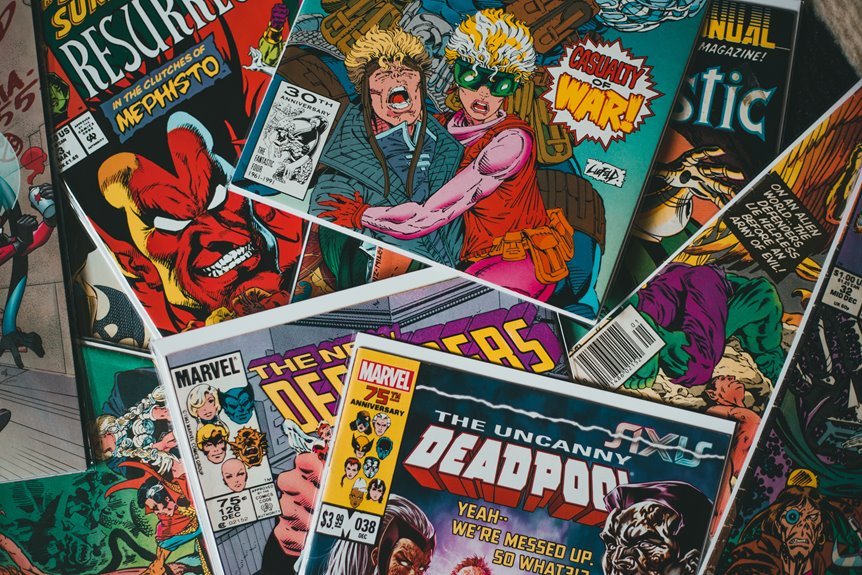
Light novels and manga embody distinct narrative grammars. Prose frames interiority and pace through descriptive depth, while panels govern rhythm and visual cadence through composition. The formats shape how audiences engage, from imagined nuance to immediate imagery. Adaptation between media tests these tensions, balancing depth with cadence and framing. The difference persists yet invites cross-medium dialogue, offering clues about how stories are structured, perceived, and ultimately carried forward into new forms. This tension remains a compelling prompt to explore further.
What Light Novels and Manga Are (Foundations and Core Differences)
Light novels and manga are two distinct media forms used to tell serialized stories, each with its own production processes, sensory focus, and narrative conventions. The foundations reveal divergent storytelling approaches: prose depth versus visual sequencing. Light novels prioritize interiority and pacing, while manga emphasizes panel-driven sensation and layout. Subtopic ideas skipped illuminate clear manga differences and broader narrative contexts.
Reading Experience: Pacing, Style, and Visual Storytelling
Manga delivers its reading experience through a sequence of illustrated panels that govern tempo, mood, and information flow, whereas light novels rely on prose to control cadence and interior emphasis.
The comparison highlights pacing differences and narrative density: manga emphasizes visual storytelling through composition and panel rhythm, while light novels foreground interior monologue and descriptive nuance, shaping interpretive freedom and reader immersion.
Formats, Access, and Audience: How You Consume Each Medium
Formats, access, and audience diverge notably between light novels and manga. Readers encounter format differences: prose versus panels, episodic releases versus serialized chapters, and varying page counts shaping immersion. Access depends on availability across print, digital, and translations, shaping audience scope. The medium defines consumption rhythm, with readers privileging internal narration or visual pacing, reflecting divergent creative freedoms and market strategies.
Adaptation Pathways: How Stories Move Between Light Novels and Manga
Adaptation pathways between light novels and manga reveal distinct conversion processes, constraints, and strategic choices that shape how a story migrates across media.
The adaptation process often reorders scenes, condenses subplots, and reallocates focus to visual storytelling, balancing narrative depth with page cadence.
Comparative context shows how pacing, framing, and audience expectations drive deliberate cross-medium translation.
Frequently Asked Questions
Do Light Novels Have Anime Adaptations as Direct Sequels?
Often, light novel adaptations do not become direct anime sequels; instead, they may inspire separate anime adaptations or manga sequels, or further explorations through side stories, spin-offs, or valorized continuations within the same franchise.
Which Medium Costs More to Collect: Novels or Manga Volumes?
Like weighing steel and silk, the answer tilts toward manga volumes costing more in long run, as novel pricing often stays lower; manga price per volume can rise, while novels accumulate slower, depending on format and edition cycles.
Can a Manga Adapt a Light Novel Without Changes?
Ultimately, a manga can adapt a light novel with changes; pure fidelity is rare. Two word discussions arise: pacing, visual constraints. Adaptation politics influence choices, balancing fan expectations against editorial standards, context, and market freedom for interpretation.
Are There Differences in Character Depth Between the Two Formats?
Character depth differences exist: light novels often deepen inner thoughts, while manga emphasizes visual pacing; a reader once noted a novel’s breath versus panels’ cadence. Narrative pacing shifts accordingly, shaping interpretation and freedom in audience engagement.
How Are Fan Communities Distinct for Each Medium?
Difference Between Light Novel and Manga shapes how are fan communities distinct for each medium; the former leans toward discussion of prose worlds and spoilers, while the latter emphasizes visual discourse, fandom events, and shared aesthetic appreciations.
Conclusion
Light novels and manga occupy distinct narrative ecosystems: prose-versus-visual storytelling shapes how interiority, tempo, and atmosphere are conveyed. Light novels privilege in-depth narration and imaginative pacing, while manga relies on sequence, panel rhythm, and imagery to orchestrate mood and action. Both formats inform audience expectations, accessibility, and adaptation pathways, often converging through cross-media projects. Like two rivers sharing a bed, they run parallel, divergent in current yet united by the stories they carry.
