Drainage problems are often difficult to diagnose because most pipework remains hidden underground. Slow drainage, recurring blockages, unpleasant odors, or water backups may indicate problems that cannot be identified through surface-level checks alone.
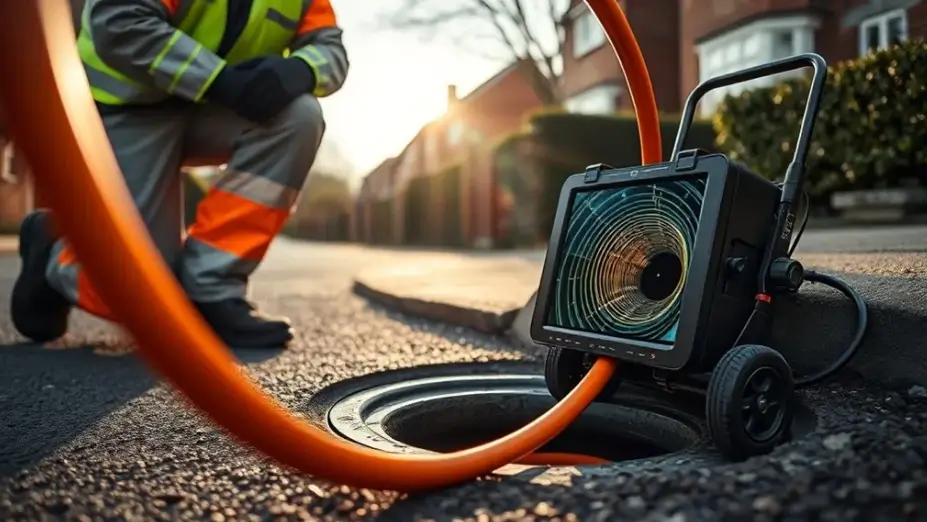
A CCTV drain inspection provides a visual way to examine the inside of pipes without unnecessary excavation. When considering CCTV drain survey cost, homeowners should also consider the clarity and detail provided by the inspection. A waterproof camera can travel through the drainage network and transmit real-time footage, allowing technicians to identify blockages, cracks, root intrusion, displaced joints, corrosion, and other structural concerns. This approach provides clearer information before cleaning, repair, or replacement work begins.
Understanding The Real Cost Of Drain Inspection
A CCTV survey provides detailed information to help property owners assess the condition of hidden drainage systems before deciding on repairs.
1. Pipe Length And System Accessibility
The size and accessibility of a drainage network can influence the CCTV drain survey cost. Longer systems may require more inspection time, while difficult-to-access points may require additional equipment or labor. Residential, commercial, and larger industrial drainage systems may also differ in complexity. Understanding the property’s drainage layout before the inspection can help establish the scope of work and provide a clearer basis for estimating the overall service cost.
2. Complexity Of The Drainage Network
Pipes vary in diameter, depth, length, and configuration. Networks containing multiple bends, junctions, or deeply positioned sections may require more time to inspect. Different pipe sizes can also require appropriate camera equipment. These factors can affect the overall survey requirements and should be considered when assessing inspection expenses. A professional assessment helps determine which equipment and inspection approach are suitable for the drainage system.
3. Existing Blockages And Structural Problems
Severe blockages can sometimes make it difficult for cameras to pass through a pipe. Pre-cleaning may therefore be required before a complete inspection can take place. Cracks, collapsed sections, root intrusion, or deteriorated pipework may also require additional attention. Identifying these conditions through CCTV footage helps technicians understand the actual problem rather than relying solely on visible symptoms or assumptions about the drainage system.
4. Equipment And Reporting Requirements
The technology used during an inspection can influence the scope of service. High-resolution cameras and professional reporting systems provide detailed visual information about internal pipe conditions. A comprehensive report can document identified defects and recommendations for cleaning, repair, or replacement. Property owners can use this information to understand the work required and plan maintenance more effectively rather than approving unnecessary excavation or repairs.
5. Long-Term Value Of Early Detection
Although inspection has an upfront cost, identifying drainage problems early can help prevent more disruptive failures. CCTV surveys can reveal developing blockages, cracks, root intrusion, and pipe deterioration before they become severe. Early diagnosis allows property owners to plan targeted maintenance and potentially avoid emergency repairs or extensive pipe replacement. The inspection therefore provides useful information for both immediate troubleshooting and longer-term drainage management.
Hidden Problems Revealed Through Modern Drain Surveys
CCTV technology allows technicians to see inside drainage systems and identify problems that may remain invisible from the surface.
1. Locating Persistent Blockages
Repeated blockages can indicate an underlying problem rather than a temporary obstruction. CCTV cameras can identify the location and nature of blockages caused by grease, debris, foreign objects, or accumulated material. This information allows technicians to focus cleaning or repair work on the affected section instead of disturbing unaffected areas. Accurate location also helps reduce unnecessary excavation and makes subsequent maintenance more targeted.
2. Detecting Cracks And Pipe Fractures
Small cracks can gradually develop into serious structural problems. CCTV footage allows technicians to inspect internal pipe surfaces and identify fractures, damaged sections, or deterioration. Early identification gives property owners an opportunity to consider suitable repair or maintenance measures before the damage becomes more extensive. This is particularly useful for underground drainage systems where external inspection cannot provide a complete view of the pipe’s internal condition.
3. Finding Tree Root Intrusion
Tree roots can enter drainage pipes through existing cracks or joints and gradually restrict water flow. CCTV inspection can reveal root intrusion and show where it is affecting the pipe. Identifying the location helps technicians determine appropriate next steps, such as root removal, cleaning, repair, or other targeted solutions. Detecting root-related problems early can also help prevent recurring blockages and additional structural deterioration.
4. Identifying Misaligned Pipe Joints
Ground movement, installation issues, or natural deterioration can cause sections of pipework to shift or joints to become misaligned. CCTV footage provides a direct view of these areas and helps technicians assess how the displacement affects drainage performance. Instead of assuming that poor flow is caused by a simple blockage, professionals can investigate the actual pipe condition and recommend appropriate corrective measures based on the inspection findings.
5. Assessing Corrosion And Internal Deterioration
Older or heavily used drainage systems can develop corrosion, deposits, or other forms of internal deterioration. A camera survey can document these conditions and help determine whether continued monitoring, cleaning, repair, or replacement may be necessary. Detailed visual evidence also creates a useful record of the drainage system’s condition. This can support future maintenance planning and make it easier to compare changes during subsequent inspections.
Practical Drain Inspection Supporting Better Property Decisions
A professional CCTV survey is useful not only when a drain is already causing problems but also when property owners need greater certainty about underground infrastructure. Surveys may be considered before purchasing a property, during renovation planning, after recurring drainage problems, or as part of preventative maintenance. The inspection process generally involves mapping the site, inserting a waterproof camera through an access point, reviewing live footage, documenting defects, and preparing recommendations. This non-invasive approach can provide detailed information while minimizing unnecessary disruption to the property.
Conclusion: Making Smarter Choices For Drain Maintenance
CCTV drain inspections provide a practical way to understand hidden drainage conditions before problems become more disruptive. By identifying blockages, cracks, root intrusion, misaligned joints, and structural deterioration, camera surveys help property owners make more informed maintenance and repair decisions.
For those looking for a local CCTV drain survey in Dubai, JB Allo Sewage provides CCTV drain surveying using high-resolution camera technology, real-time inspection, and technical reporting for residential and commercial drainage systems. Their services are designed to identify problems with minimal disruption and support targeted cleaning, repair, and maintenance decisions based on inspection findings.
