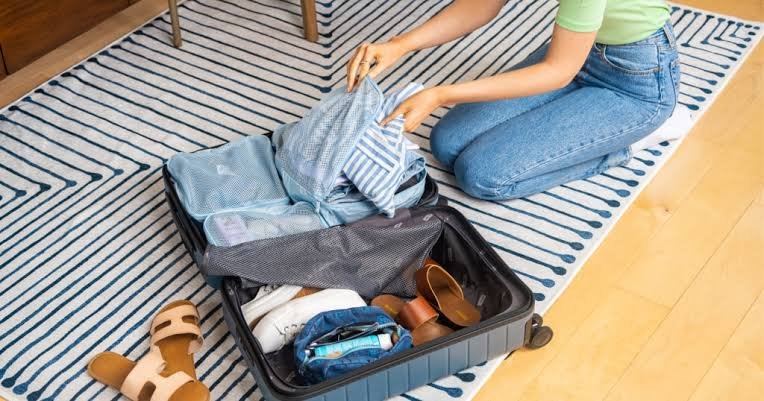
An overnight journey may be brief, but it still requires thoughtful preparation. Travellers need enough space for clothing, toiletries, personal accessories and essential documents, while avoiding luggage that is unnecessarily large or difficult to manage. A suitable travel bag can make packing and moving between destinations more convenient.
The best choice depends on the journey, the transport method and the belongings involved. By considering capacity, organisation, comfort and design, travellers can select luggage that supports a smoother experience.
Understanding Overnight Packing Needs
An overnight stay usually requires a limited selection of belongings. Clothing for the following day, sleepwear, toiletries, chargers and personal items may be sufficient for many trips.
Before choosing a bag, create a simple packing list. This helps estimate the space required and prevents unnecessary items from taking up room. If the journey includes a formal event, outdoor activity or business meeting, account for any additional clothing or equipment.
Packing according to the actual itinerary is more useful than filling a bag simply because space is available.
Choosing a Suitable Travel Companion
A good overnight bag should be large enough for essential belongings while remaining manageable when carried. Look at its dimensions, opening, handles and internal layout.
A personalised overnight bag can offer an individual touch for someone who appreciates customised accessories. Before ordering, review the available personalisation options and confirm the details carefully.
Practical considerations remain important. Check the stated capacity, material information and care instructions to understand whether the design suits your intended use.
Material, Construction and Maintenance
Travel bags can experience frequent handling, so construction deserves attention. Examine the handles, seams, stitching, base and fastening system. These areas are likely to receive repeated use when a bag is lifted, carried or placed on different surfaces.
Material influences both appearance and maintenance. Some finishes may require particular cleaning methods or careful storage. Follow the manufacturer’s recommendations rather than using general cleaning products without checking their suitability.
A bag should also be stored properly between trips. Keep it in a clean, dry place and avoid placing heavy objects on top of it.
Keeping Belongings Organised
A well-organised bag makes it easier to find essentials during a journey. Separate clothing from toiletries and keep smaller objects together in pouches. This can reduce clutter and make unpacking more straightforward.
Frequently used items, such as travel documents, chargers and personal accessories, should be easy to reach. However, important documents and valuables should remain secure.
If you are carrying liquids, follow the rules of your transport provider. For air travel, check the current airline and airport requirements before packing toiletries.
Comfort During the Journey
The bag should remain comfortable when filled. Check its empty weight, handle design and carrying options. A large bag may offer generous capacity but become difficult to manage if it is overloaded.
Distribute belongings sensibly and avoid placing all heavy objects on one side. Remove items that are not needed for the journey to keep the overall load manageable.
If you expect to walk through stations or airports, consider how easily the bag can be carried alongside other luggage. Convenience is an important part of choosing a suitable travel accessory.
Personal Style and Practical Use
Travel accessories can be functional without looking purely utilitarian. Colour, shape and personalisation can help reflect individual taste. A simple design may suit a range of outfits and destinations, while a distinctive detail can make the bag feel more personal.
When choosing a colour or finish, consider how it will look with the clothing and accessories you normally travel with. Also think about maintenance: some finishes may show marks more readily than others.
The most useful design is one that combines personal appeal with the practical features required for regular travel.
Preparing Before Departure
A final check can help avoid common packing problems. Confirm the destination, length of stay and transport requirements. Review the contents of the bag, ensure that essential items are included and remove anything unnecessary.
For personalised purchases, check the spelling and selected details before confirming the order. If the bag is intended for a particular journey, allow enough time for delivery and preparation.
Frequently Asked Questions
1. What should I pack in an overnight bag?
Typical essentials include a change of clothing, sleepwear, toiletries, chargers, travel documents and personal items. The exact list depends on the destination and planned activities.
2. How do I choose the right overnight bag size?
Consider your packing list and compare it with the product’s dimensions and capacity. Choose enough room for essentials without selecting a bag that becomes unnecessarily bulky.
3. What should I check before ordering a personalised travel bag?
Review the available customisation options, spelling, dimensions, material, care instructions and delivery information. Make sure the design suits your intended travel needs.
Conclusion
An organised overnight journey starts with choosing luggage that matches the trip. Capacity, construction, comfort and internal organisation all contribute to a useful travel experience. By planning what to carry and reviewing product details before purchasing, travellers can select a bag that combines practical convenience with personal style.
