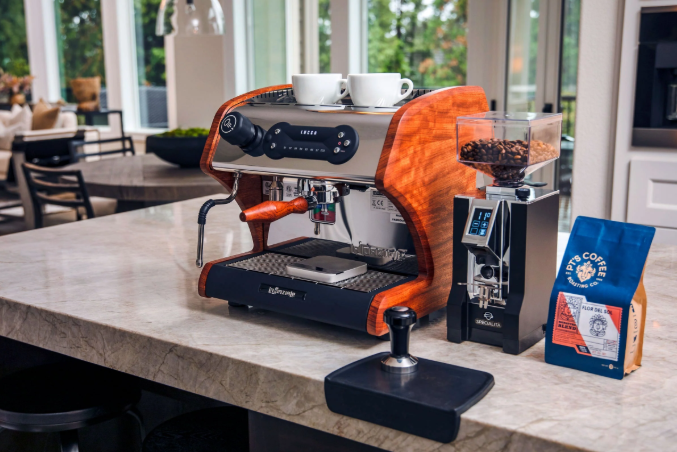
When building out a premium home coffee station, most baristas spend endless hours comparing PID temperature controllers, dual boiler designs, portafilter sizes, and grinder burrs. However, one critical internal component often flies under the radar despite having a dramatic impact on your daily brewing routine: the pump.
If you have ever used an entry-level espresso maker, you are likely familiar with the loud, rattling buzz that fills the kitchen every time you pull a shot. That signature buzz comes from a vibratory pump. While vibratory pumps are compact and inexpensive, upgrading to a machine equipped with a rotary pump elevates the entire experience. From whisper-quiet operation to consistent pressure delivery, there is a compelling case for choosing a rotary system for your kitchen counter.
Vibratory vs. Rotary Pumps: Understanding the Difference
To understand why rotary pumps are favored in high-end setups, it helps to look at how each design generates the nine bars of pressure required to extract espresso.
A vibratory pump uses an electromagnetic coil to rapidly push a piston back and forth against a spring. This rapid reciprocating motion occurs around 60 times per second, forcing water through the system. Because it relies on violent mechanical movement, a vibratory pump vibrates heavily against the internal frame, producing a loud, high-pitched noise.
A rotary pump, on the other hand, operates mechanically using a spinning motor. Inside a sealed chamber, a set of offset vanes rotates continuously to draw water in and push it out at high pressure. Because the motion is smooth, rotational, and constant, the pump creates very little mechanical friction or noise.
See also: Crypto to the Moon Moneysideoflife
1. The Joy of Silent Morning Brewing
The most immediately noticeable benefit of a rotary pump is the sound—or lack thereof. Vibratory pumps are notoriously loud, often generating 70 to 80 decibels of noise. In a quiet household early in the morning, pulling a shot can easily wake up sleeping family members or roommates.
By contrast, a rotary pump produces a soft, low-frequency hum that barely registers above ambient room noise. The subtle sound transforms your morning coffee ritual from a noisy chore into a peaceful, refined experience. You can seamlessly brew an espresso while listening to a podcast, taking an early call, or chatting with guests without having to shout over a buzzing machine.
2. Instant Pressure and Unmatched Flow Stability
Espresso extraction relies heavily on stable, controlled pressure. When water hits the coffee bed unevenly or fluctuates in pressure mid-shot, it increases the risk of channeling—where water finds the path of least resistance through the puck, resulting in sour, unevenly extracted espresso.
Vibratory pumps take a few seconds to ramp up to full pressure as the piston builds momentum, and their pressure output can pulsate slightly with each stroke. Rotary pumps deliver instant, linear pressure from the very moment you flip the brew lever.
Because a rotary mechanism maintains a smooth, continuous flow of water, pressure stays completely flat throughout the extraction. This stability allows for cleaner shot profiling, more predictable extraction times, and a noticeably smoother flavor profile in the cup.
3. Direct Plumbability and Water Source Flexibility
If you plan to connect your espresso setup directly to your home plumbing line, a rotary pump is almost always required. Vibratory pumps are designed primarily to draw water from a non-pressurized reservoir; they struggle when hooked up to a pressurized main water supply, as incoming line pressure can interfere with their internal piston mechanics.
Rotary pumps handle mains water pressure with ease. Direct plumbing offers significant convenience for home coffee enthusiasts:
- No More Water Reservoir Refills: You never have to interrupt your workflow to fill a tank.
- Continuous Draining: Paired with a plumbed drip tray, you eliminate the need to empty wastewater manually.
- Line-Pressure Pre-Infusion: Mains water pressure allows you to gently wet the coffee puck at low pressure before engaging the pump, leading to better extraction consistency.
For those who want flexibility, many modern machines allow you to switch easily between an internal water tank and a direct line connection. Investing in a rotary pump espresso machine gives you the freedom to run off a reservoir today while keeping your options open for a fully plumbed setup in the future.
4. Commercial Durability and Long Lifespan
Commercial coffee shops rely almost exclusively on rotary pumps because they are built for heavy, continuous duty cycles. A vibratory pump is susceptible to overheating if run continuously for extended periods, making it less ideal for entertaining large groups or pulling back-to-back shots all morning long.
Rotary pumps feature heavy-duty motors designed to run smoothly for years without thermal stress. While a vibratory pump may need replacement every few years under heavy home use, a well-maintained rotary pump can easily last a decade or more. The heavy-gauge construction and industrial components make them a reliable foundation for any long-term coffee investment.
Is a Rotary Pump Setup Right for You?
While rotary pumps offer exceptional performance, they do come with a few trade-offs to consider:
- Size and Weight: Rotary motors are substantially larger and heavier than vibratory units, making the machine heavier and larger on your counter.
- Initial Cost: Because rotary pumps involve precision engineering and heavy-duty electric motors, they are featured mostly in mid-to-high-tier espresso equipment.
However, if you prioritize quiet performance, long-term durability, and cafe-quality extraction stability, the upgrade pays dividends every single day. When searching for the best espresso machine to complete your kitchen, looking at the internal pump architecture is one of the smartest ways to ensure you get a truly professional brewing experience.
Final Thoughts
The pump inside an espresso machine may remain hidden behind stainless steel casing, but its influence on your daily workflow is undeniable. While vibratory pumps served as the backbone of entry-level home coffee for years, the shift toward rotary systems reflects a growing desire for quieter, more refined kitchen appliances. By providing near-silent operation, immediate pressure stability, and commercial-grade longevity, rotary pumps turn home espresso brewing into a smoother, quieter, and far more consistent craft.
