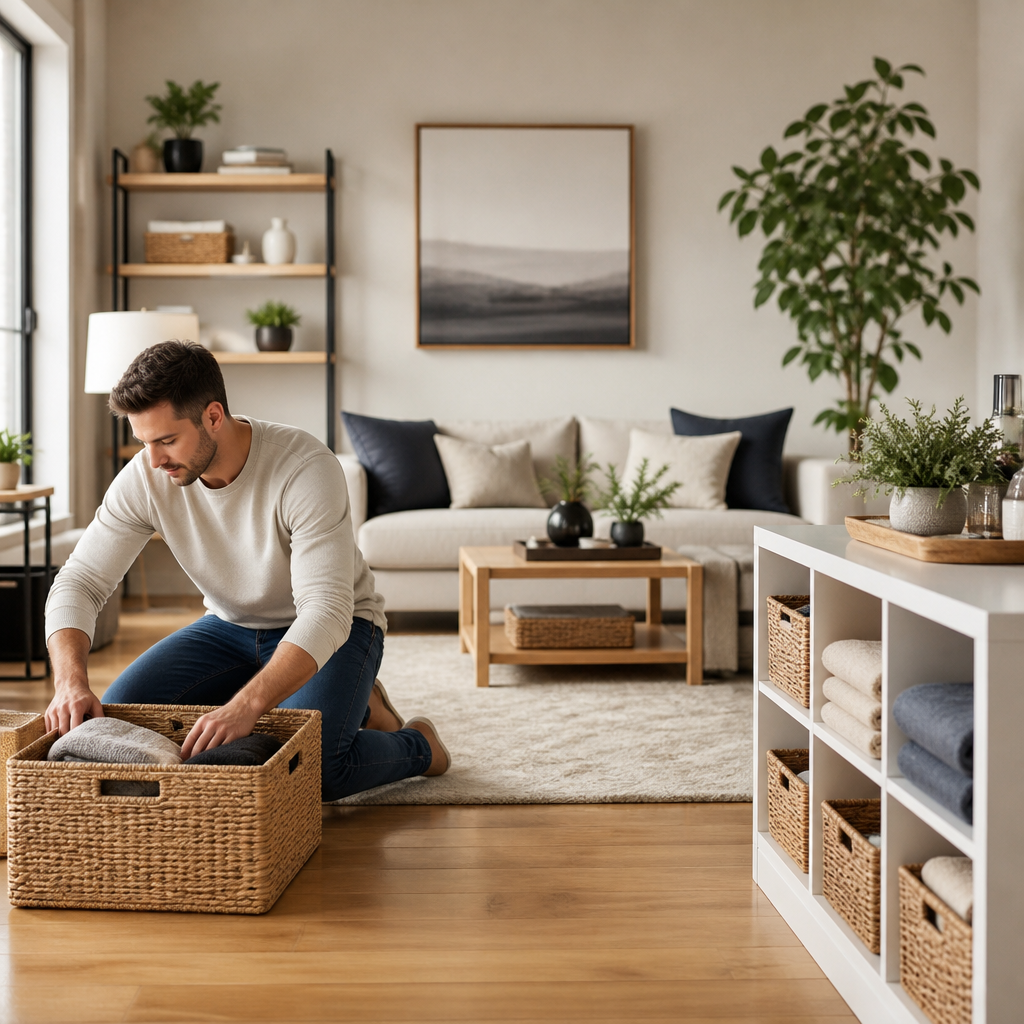
The modern home faces an ongoing challenge: maintaining order in spaces that serve multiple purposes throughout the day. What begins as a minor accumulation of items quickly transforms into overwhelming clutter that affects both functionality and peace of mind. Understanding the principles behind effective home organization enables homeowners to create environments that support their daily routines rather than hinder them. This transformation requires more than temporary tidying—it demands thoughtful systems that adapt to changing needs while maintaining visual harmony.
The Psychology Behind Clutter Accumulation
Clutter rarely appears overnight. Instead, it accumulates through small decisions made repeatedly over time. Every item brought into a home without a designated storage location contributes to visual chaos. The emotional attachment to possessions, combined with the “just in case” mentality, creates environments where unnecessary items consume valuable space. Research indicates that cluttered environments elevate stress hormones and reduce cognitive function, making it difficult to focus on tasks or relax fully within one’s own home.
Breaking this cycle requires acknowledging the true cost of keeping items that no longer serve a purpose. Each possession demands attention, whether through cleaning, organizing, or simply navigating around it. When homes become repositories for unused belongings, they cease functioning as spaces designed for living and instead become storage facilities that happen to include living quarters.
See also: Is a Nose Reshaping Journey in Dubai Worth It?
Establishing Functional Storage Systems
Creating systems that support organized living begins with honest assessment of actual needs versus aspirational ones. Many homeowners invest in storage solutions before identifying what truly requires storage. The result is closets filled with unused organizers and drawers containing items accessed once yearly. Effective organization starts with elimination—removing items that no longer align with current lifestyle and priorities.
Once essential items remain, implementing systems from companies like Organized Living provides the infrastructure necessary for maintaining order long-term. These solutions offer customizable configurations that adapt to specific spaces rather than forcing belongings into generic containers. The investment in quality storage systems pays dividends through improved accessibility and sustained organization that survives daily use.
Zone-Based Organization Strategy
Implementing zone-based organization transforms how spaces function. This approach groups related items together based on usage patterns rather than arbitrary categories. Kitchen zones might include food preparation, cooking, and cleanup areas, each containing only items relevant to that specific function. This reduces time spent searching for items and creates intuitive workflows that family members understand instinctively.
Bedrooms benefit similarly from zoning. Sleep zones remain free from work-related items or exercise equipment, preserving the psychological association between bedroom and rest. Closets organized by outfit type or frequency of use eliminate morning decision fatigue. These intentional boundaries between different life activities within the home create mental clarity that extends beyond physical organization.
Practical Implementation Techniques
Successful home organization projects share common characteristics that distinguish them from temporary tidying efforts. Starting with one clearly defined space prevents overwhelm while building momentum. Completing a single drawer or cabinet provides tangible evidence of progress that motivates continuation. This methodical approach proves more sustainable than attempting whole-home transformations that inevitably stall.
The “one in, one out” principle maintains organization once established. Each new item entering the home triggers evaluation of existing possessions. This conscious gate-keeping prevents the gradual creep that undoes organizational efforts. Combined with regular maintenance sessions—brief periods dedicated to returning items to designated locations—this approach preserves order without requiring major overhauls.
For those seeking inspiration and practical guidance on creating beautiful, functional spaces, resources like home design blogs offer valuable perspectives on blending aesthetics with organization. These platforms showcase real-world implementations that demonstrate how organizational systems integrate into existing decor rather than compromising visual appeal.
Seasonal Rotation Systems
Many homes struggle with organization because they attempt to store twelve months of belongings in spaces designed for active use. Seasonal rotation addresses this by relocating off-season items to less accessible storage areas. Winter coats disappear from hall closets during summer months, replaced by lightweight jackets and rain gear. Holiday decorations reside in basement or attic storage except during their designated seasons.
This rotation creates breathing room in daily-use spaces while ensuring items remain accessible when needed. Marking containers clearly and maintaining inventories prevents forgotten items from languishing unused. The biannual rotation also provides natural opportunities to reassess whether items still deserve storage space or should move to donation piles.
Evidence-Based Decluttering Methods
Professional organizers and researchers have identified specific strategies that consistently produce lasting results. The visibility principle states that items stored out of sight become effectively non-existent for most people. Therefore, storage solutions should balance accessibility with visual order. Clear containers, label systems, and open shelving in appropriate contexts keep possessions visible without creating clutter.
According to expert organizing advice, establishing daily habits prevents clutter from re-accumulating after initial organizing efforts. These habits include immediate mail sorting, nightly kitchen resets, and weekly closet assessments. Small consistent actions maintain order more effectively than periodic intensive cleaning sessions.
The Role of Quality Storage Solutions
Investment in durable, well-designed storage systems distinguishes temporary fixes from permanent solutions. Flimsy plastic bins crack and deform, creating frustration that undermines organizational efforts. Quality systems feature adjustable components that accommodate changing needs over years rather than months. They integrate aesthetically with existing spaces, encouraging use rather than becoming eyesores that residents avoid.
Custom solutions designed for specific spaces maximize every cubic inch while addressing unique challenges. Standard shelving units leave awkward gaps and unused vertical space. Tailored systems eliminate these inefficiencies, creating storage capacity that often surprises homeowners. This maximization of existing space frequently eliminates the perceived need for additional square footage or external storage units.
Maintaining Organized Spaces Long-Term
Organization represents an ongoing practice rather than a destination. Households evolve—children grow, hobbies change, careers shift—and organizational systems must adapt accordingly. Annual reviews identify areas where current systems no longer serve their intended purpose. This flexibility prevents the frustration that occurs when life changes but storage solutions remain static.
Teaching organizational principles to all household members distributes maintenance responsibility and ensures systems remain functional. Children who learn to return items to designated locations develop habits that serve them throughout life. Partners who understand the logic behind organizational decisions can maintain systems even when the primary organizer is unavailable. This shared ownership transforms organization from one person’s burden into a household value.
The journey toward a truly organized home requires patience and persistence, but the rewards extend beyond visual tidiness. Reduced stress, improved productivity, and enhanced enjoyment of living spaces justify the initial investment of time and resources. By implementing thoughtful systems and maintaining them consistently, any household can transform chaos into calm, creating environments that support rather than obstruct daily life.
