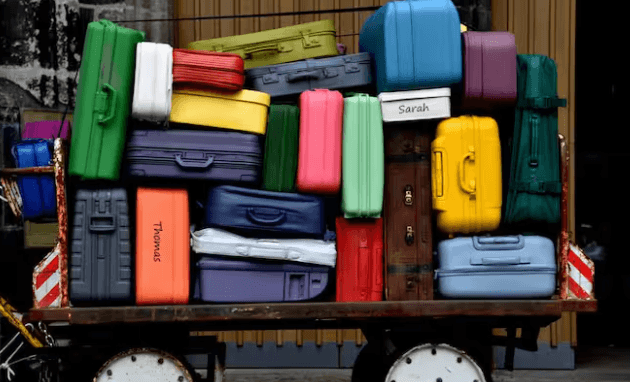
Luggage plays an important role in the overall travel experience. A suitable suitcase helps organise belongings, protects personal items and makes movement through airports, stations and hotels more manageable.
However, choosing luggage involves more than selecting a colour or design. Size, weight, materials, wheel quality and internal organisation all influence how practical a suitcase will be.
Start With Your Travel Habits
The best luggage depends on how frequently and where someone travels. A person who mainly takes short business trips may prefer compact carry-on luggage, while someone planning longer holidays may need a larger suitcase.
Before purchasing, consider:
- Typical trip duration
- Airline baggage restrictions
- Number of belongings usually carried
- Frequency of travel
- Storage space at home
- Preference for carry-on or checked luggage
Understanding these requirements can help narrow down suitable sizes and designs.
Choosing the Right Suitcase Size
Suitcase size should match the length and type of travel. Smaller luggage may be suitable for short trips, while longer journeys may require more capacity.
Airline restrictions are important when choosing cabin luggage. Size and weight limits can differ between carriers, so travellers should confirm the current rules before departure.
A suitcase that meets one airline’s requirements may not automatically meet another’s. Checking dimensions, including wheels and handles where applicable, can help prevent problems at the airport.
Understanding Luggage Materials
Luggage is available in different materials, each with its own characteristics.
Hard-shell cases may provide a structured exterior, while soft-sided designs can offer flexibility in certain packing situations. The quality of zippers, handles, seams and protective corners also matters.
Buyers should consider how the suitcase will be handled and stored. Frequent travellers may place greater importance on durable construction and replaceable components.
Wheel Design and Mobility
Wheels can influence how easily luggage moves through busy travel environments.
Some suitcases use two wheels, while others have four-wheel systems that allow different movement styles. Wheel quality, handle stability and the weight of the case can all affect manoeuvrability.
If possible, test the suitcase on a suitable surface before purchasing. Check whether it rolls smoothly and whether the handle feels comfortable at different heights.
Interior Organisation
A practical suitcase should make it easy to organise belongings. Internal compartments, compression straps and separate pockets can help keep items in place.
Travellers may also use packing cubes or small organisers to separate clothing, accessories and toiletries.
Before choosing a case, consider whether the internal layout suits the items usually carried. A large empty space is not always as useful as a well-organised interior.
Security and Travel Practicalities
Security features may include integrated locks, reinforced zippers or other protective details. Travellers should understand how the locking system works and whether it is compatible with their intended destinations.
It is also useful to label luggage with appropriate contact information while avoiding unnecessary exposure of sensitive personal details.
A distinctive design or luggage tag can make a suitcase easier to identify at baggage collection.
Comparing Premium Luggage Options
When comparing luggage, review dimensions, weight, materials, wheel construction, handle design, internal layout and warranty terms.
Travellers exploring lojel cubo fit can review the available product information and assess whether its design and specifications match their travel requirements.
Check the exact size and configuration before ordering. Product images may not communicate how much space a suitcase provides or how it feels when handled.
Maintaining Luggage Between Trips
Proper care can help keep luggage in good condition. After travelling, empty the case, remove any debris and allow the interior to dry if it has become damp.
Inspect wheels, handles and zippers for damage. Small issues may become more difficult to manage if they are ignored before another trip.
Store luggage in a dry place and avoid placing excessive weight on top of it. Follow the manufacturer’s cleaning guidance for the exterior material.
FAQs
1. How do I choose the right suitcase size?
Consider the length of your trip, packing habits and airline baggage limits. Check the complete external dimensions and weight before purchasing.
2. Are four-wheel suitcases better than two-wheel models?
They offer different handling characteristics. Four-wheel designs can move in several directions, while two-wheel models may be preferred by some travellers on uneven surfaces. Personal preference and build quality matter.
3. What should I check before buying premium luggage?
Review materials, dimensions, weight, wheels, handles, internal organisation, warranty and repair support. Make sure the suitcase fits your travel needs rather than choosing on appearance alone.
Conclusion
Choosing suitable luggage can make travel more organised and comfortable. By considering size, materials, mobility, storage and maintenance, travellers can find a suitcase that fits their habits and destinations. A practical design and reliable construction are more valuable than appearance alone.
