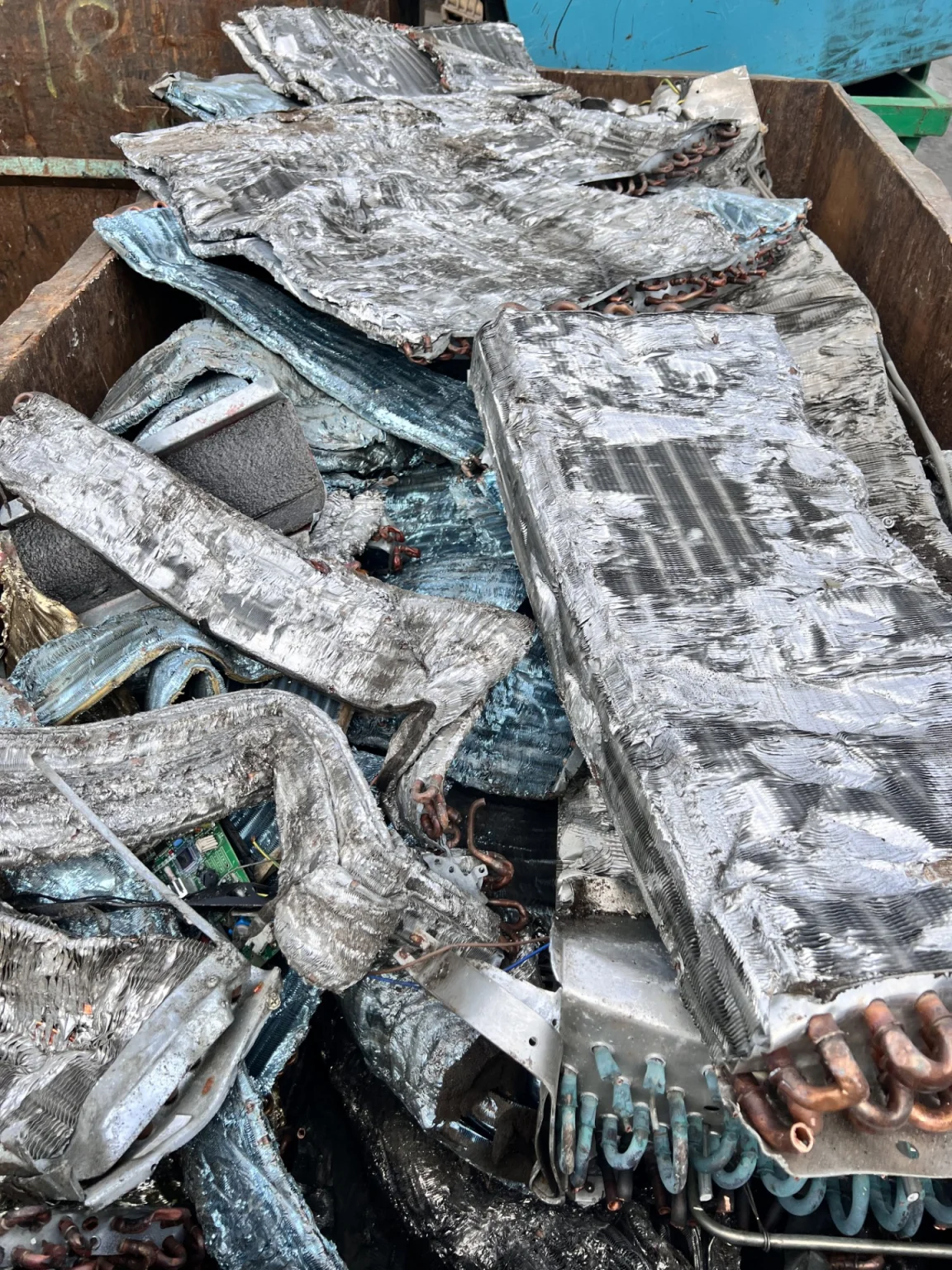
Walk past the back door of many workshops and one container is doing every job. Steel brackets, copper offcuts and aluminium sheet all land in the same place. It feels simple until someone needs to know what is actually in there. Well-planned scrap metal bins give businesses a clearer way to keep different metals apart from the start.
The hidden cost of a single mixed container is time. Staff dig through it before collection, loads take longer to assess and nobody has a clear picture of how much of each metal the business produces. Setting up scrap metal bins for the main material streams brings order to that process and makes each collection simpler for everyone involved.
Steel, Copper and Everything in Between
Ferrous Metals Carry the Volume: Ferrous metals are those containing iron, including mild steel, cast iron and most structural sections, and they make up the largest share of commercial scrap by weight. Most respond to a magnet. Fabrication offcuts, old racking, machine guards and used steel strapping all fall into this group, which is why ferrous material usually needs the biggest bin on site.
Non-Ferrous Metals Come in Smaller, Mixed Lots: Non-ferrous metals contain little or no iron, so copper, brass and aluminium do not stick to a magnet. They arrive in smaller quantities but vary far more in form. Copper turns up as cable and pipe, brass as valves and fittings, and aluminium as sheet, extrusion and window frames. Each behaves differently in storage.
Mixed Containers Get Harder to Untangle over Time: A mixed container becomes harder to manage the longer it sits, because new steel lands on top of lighter non-ferrous pieces and buries them. In day-to-day recycling practice, assessors regularly see loads where copper cable and brass fittings sit hidden beneath steel offcuts, which slows assessment and can leave the business unsure what it actually sent.
Sorted Streams Make Every Load Easier to Read
Identification at the Bench Saves Time Later: Identifying metals where they are produced is the simplest point at which to separate them. A worker cutting aluminium extrusion already knows what it is, so placing it straight into the right container takes seconds. Sorting the same piece later from a mixed heap takes much longer and involves more lifting, reaching and handling than most people expect.
Clear Loads Help Recyclers Assess Each Stream: Separated loads let recyclers check type and grade quickly, since each container holds one material rather than several. Mixed loads remain acceptable and still get assessed, so separating metals helps the process without being mandatory. What a load is worth comes down to metal type, grade, condition, quantity and market movement, so recyclers provide a current quotation instead of publishing fixed rates.
One Container or Several Depends on the Metal
Separate Bins Suit Businesses with Steady Mixed Output: Separate bins are most useful when a business regularly produces more than one metal in meaningful quantities. A fabrication shop working in steel and aluminium, or an electrical contractor handling copper cable alongside steel conduit, gains the most. Dedicated scrap metal bins for each stream keep materials apart without extra effort from staff on busy days.
A Single Bin Still Works in Some Cases: A single mixed bin remains a sensible option for businesses producing small amounts of non-ferrous metal alongside mostly steel. It takes less floor space and needs one collection arrangement. The trade-off is slower assessment and less visibility over material flows. Several containers demand more room and planning, though they make each load far easier to track.
Storage That Matches Weight, Volume and Handling
Heavy Streams Need Containers That Suit Lifting Equipment: Storage requirements depend on how heavy and bulky each metal stream is. Steel offcuts add weight fast and suit rigid bins that a truck or forklift can lift. Light aluminium and cable sit well in bulka bags. Matching container to material reduces hazardous manual handling, because staff are not dragging heavy pieces between overfilled bins.
Keeping Dissimilar Metals Apart in Storage: Storing different metals apart also protects their condition while they wait for collection. When copper and aluminium touch in a wet, open container, galvanic corrosion can attack the aluminium over time. Placing scrap metal bins under cover or in a sheltered area limits moisture, and sizing each bin to match volume prevents overflow between collections.
See Also: Transform Your Living Space Through Strategic Home Organization
Points to Settle before Choosing a Bin Setup
A commercial recycler can recommend a bin configuration once it knows which metals the business generates, roughly how much and how fast. Site access, available space and collection frequency shape the final setup. Sharing these details early means the scrap metal bins delivered match real output rather than a guess, and saves swapping containers after the first collection.
- List every metal the business produces, even the occasional ones.
- Steel volume usually decides the size of the main bin.
- Copper and brass may justify their own container if they turn up weekly.
- Check where a truck can reach and lift without blocking other traffic.
- Ask how collection frequency can change as output grows or drops.
Organised Bins, Clearer Loads and a Tidier Site
Separating metals at the source gives a business cleaner storage, quicker assessments and a better understanding of what it produces. Leaving everything in one container keeps the sorting problem alive and lets it grow with every job. Get in touch with a commercial recycler to arrange a site assessment and talk through a bin setup that suits your metals.
