Many products are expected to maintain their appearance and performance after months or years of outdoor use. Building materials, plastic components, protective coatings, automotive parts, and outdoor equipment may all be exposed to sunlight, moisture, and changing temperatures. Over time, these environmental factors can cause fading, cracking, discoloration, loss of strength, or other forms of deterioration.
Waiting for natural weathering to reveal these problems can be impractical during product development. Outdoor exposure varies with geography, season, orientation, and local climate, making it difficult to reproduce identical conditions for comparative experiments. Accelerated weathering tests provide a more controlled way to investigate how materials respond to selected environmental stresses.
Ultraviolet exposure is particularly important because UV radiation can initiate chemical reactions that gradually alter many polymers, coatings, and other susceptible materials. Understanding these changes helps manufacturers compare formulations, evaluate protective treatments, and make better-informed decisions about product durability.
Why Ultraviolet Radiation Matters in Material Testing
Sunlight contains different wavelengths of radiation, including ultraviolet, visible, and infrared energy. Although UV radiation represents only part of the sunlight reaching the Earth’s surface, it can contribute significantly to the degradation of susceptible materials.
When UV energy is absorbed by a material, it may trigger chemical reactions that affect molecular structure. Depending on the material and its formulation, these reactions can lead to fading, embrittlement, surface cracking, chalking, or changes in mechanical properties.
The severity of deterioration depends on several factors. Material composition, pigments, stabilizers, coatings, exposure duration, temperature, and moisture can all influence the final result.
For manufacturers, the objective is not simply to expose a sample to ultraviolet light. The test must provide conditions that are relevant to the intended application and produce observations that can be compared across samples or product revisions.
How Accelerated UV Weathering Tests Work
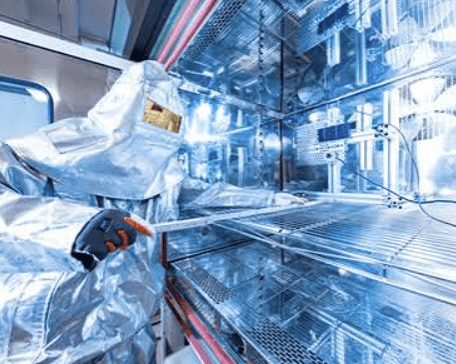
Accelerated weathering systems expose specimens to controlled ultraviolet radiation under defined operating conditions. Depending on the equipment configuration and test method, the procedure may also include temperature control, condensation, or other moisture-related stages.
These systems allow laboratories to examine material changes within a planned testing period rather than relying entirely on long-term outdoor exposure. However, accelerated testing does not establish a universal conversion between laboratory hours and years of outdoor service. The relationship depends on the material, exposure conditions, and degradation mechanism.
Controlled ultraviolet exposure
A test program begins by selecting suitable exposure conditions. These may include the UV source, irradiance level, specimen temperature, exposure duration, and cycle sequence.
Different UV lamps provide different spectral characteristics. Selecting the correct source matters because the wavelengths emitted can influence the type and rate of material degradation.
The chosen conditions should follow the applicable test standard or product-specific requirements. Using conditions that are too severe or unrelated to real service conditions can produce results that are difficult to interpret.
Temperature and moisture effects
Outdoor materials rarely experience sunlight in isolation. Rain, condensation, humidity, and temperature fluctuations can interact with UV exposure and influence how a material ages.
Some weathering procedures therefore combine UV exposure with moisture cycles or controlled temperatures. These additional stages can help investigate effects such as coating deterioration, surface changes, or reduced resistance to environmental exposure.
Not every test requires the same combination of conditions. Laboratories should determine whether moisture simulation is necessary for the material and intended application.
Measuring changes after exposure
A useful weathering test requires more than recording how long a sample remained inside the equipment. Before-and-after measurements help establish whether the exposure produced meaningful changes.
Depending on the application, researchers may assess color difference, gloss retention, surface cracking, chalking, tensile strength, elongation, adhesion, or visible discoloration.
Photographs and written observations can provide additional context, but quantitative measurements are often more useful when comparing different formulations or production batches. The selected evaluation method should match the property the manufacturer wants to preserve.
Industries That Benefit From UV Weathering Evaluation
UV weathering tests are used in a wide range of industries because outdoor exposure can affect both product appearance and functional performance.
Plastics and polymer products
Plastic products are commonly used in outdoor furniture, enclosures, agricultural equipment, piping, and consumer goods. Depending on the polymer and additives, UV exposure can cause color changes, surface degradation, reduced flexibility, or cracking.
Testing helps manufacturers compare resin formulations, pigments, and stabilizer packages. It can also help determine whether a protective coating or surface treatment improves resistance to weathering.
Results should be interpreted alongside the material’s intended service conditions. A polymer designed for indoor use may have different durability requirements from one intended for prolonged outdoor exposure.
Paints, coatings, and finishes
Protective and decorative coatings must often maintain both appearance and protective function. Sunlight and environmental moisture may contribute to fading, gloss loss, cracking, or deterioration of the coating surface.
Weathering evaluation can help coating manufacturers compare formulations and investigate whether changes to pigments, binders, or additives affect performance.
For coatings intended to protect a substrate, visual appearance alone may not be sufficient. Adhesion, surface integrity, and other relevant properties may also need evaluation after exposure.
Construction materials
Exterior panels, sealants, roofing products, window components, and other building materials may face prolonged sunlight exposure. Their ability to retain color, flexibility, and structural performance can influence maintenance requirements and product service life.
Laboratory testing allows manufacturers to compare material options before using them in building projects. When combined with suitable field data, it can contribute to a more complete understanding of weathering behavior.
Automotive and transportation components
Vehicles contain numerous exterior components that experience sunlight and changing environmental conditions. Plastic trim, dashboards exposed to sunlight, exterior coatings, protective covers, and polymer housings may require weathering evaluation.
Testing can help manufacturers investigate fading, surface changes, and the durability of coatings or polymer formulations. The appropriate procedure depends on whether the component is intended for exterior use, interior use near windows, or another specific environment.
Textiles and outdoor consumer products
Outdoor fabrics, signage, awnings, synthetic leather, and certain recreational products may experience color fading or changes in surface properties during sunlight exposure.
Testing can help compare dyes, coatings, fibers, and protective treatments. Where product appearance is commercially important, color measurements can provide an objective basis for evaluating performance.
Choosing Suitable UV Aging Equipment
Selecting the right testing system requires a clear understanding of the materials being evaluated and the environmental conditions that matter most.
UV spectrum and lamp characteristics
The radiation source should be appropriate for the relevant test method. Different lamp types provide different spectral outputs, and those differences can influence degradation patterns.
Laboratories should verify that the equipment supports the source and exposure conditions required by the applicable standard. Lamp condition, operating settings, and irradiance monitoring should also be addressed in the test procedure.
Exposure control and repeatability
A reliable system should allow users to establish the required exposure conditions and maintain a documented testing sequence. Depending on the application, important capabilities may include irradiance control, temperature monitoring, programmed cycles, and moisture simulation.
Repeatability matters when comparing material formulations. If exposure conditions vary significantly between tests, observed differences may reflect the testing process rather than genuine differences between samples.
Specimen capacity and arrangement
The chamber should accommodate the required number and size of specimens while allowing the intended exposure conditions to reach their surfaces consistently.
Sample orientation, spacing, and fixture materials can affect results. Laboratories should follow the relevant test procedure when arranging specimens and avoid overloading the working area.
See also: Flyarchitecturenet Inside the Home
Maintenance and calibration
UV lamps and related measurement systems require appropriate monitoring and maintenance. Their output may change with operating time, so laboratories should follow the manufacturer’s guidance and the applicable test method for checking exposure conditions.
Keeping records of lamp replacement, irradiance checks, temperature verification, and maintenance activities helps improve traceability. It also makes it easier to investigate unexpected results or explain differences between testing periods.
Manufacturers evaluating equipment options can review LIB industry uv aging test equipment to determine whether the available configuration aligns with their material types, exposure requirements, and testing objectives.
Best Practices for Reliable Weathering Results
Good test design begins before specimens enter the chamber. Samples should be prepared consistently, labeled clearly, and inspected for initial defects. If different materials or formulations are being compared, specimen dimensions and preparation methods should remain consistent wherever the test method requires them.
The test plan should define the exposure conditions, cycle sequence, duration, and evaluation criteria. Researchers should document any deviations from the planned procedure and avoid changing multiple test variables at once unless the experiment is specifically designed to investigate their combined effects.
After exposure, specimens should be evaluated using consistent measurement methods. For example, color should be measured using the same instrument settings, while mechanical testing should follow the appropriate procedure for sample geometry and material type.
Where practical, reference samples and replicate specimens can improve the interpretation of results. Replicates help researchers determine whether an observed change is consistent or may reflect normal sample variation.
Finally, accelerated weathering results should be considered alongside other evidence, including outdoor exposure data, material specifications, and previous product experience. Laboratory testing is valuable for controlled comparison, but it cannot reproduce every combination of real-world environmental conditions.
Frequently Asked Questions
1. What materials can be evaluated using UV aging equipment?
Depending on the equipment and test method, common materials include plastics, paints, protective coatings, construction materials, outdoor textiles, and polymer components. The chosen procedure should match the material’s composition and intended use.
2. Does accelerated UV testing predict the exact outdoor lifespan of a product?
No. Accelerated testing helps compare material performance under controlled conditions, but there is no universal conversion between laboratory exposure time and years outdoors. Real-world durability depends on climate, material properties, exposure patterns, and other environmental factors.
3. Why are temperature and moisture sometimes included in UV weathering tests?
Temperature and moisture can interact with ultraviolet radiation and influence material deterioration. Combining these stresses may provide a more relevant evaluation for products exposed to sunlight, condensation, or other outdoor conditions.
Conclusion
UV weathering evaluation helps manufacturers investigate how sunlight exposure can affect materials, coatings, and finished products. By identifying changes in appearance and performance under controlled conditions, laboratories can compare formulations, assess protective treatments, and support product development decisions.
Reliable results depend on choosing an appropriate UV source, controlling exposure conditions, preparing specimens consistently, and using suitable evaluation methods. When accelerated testing is combined with relevant standards and real-world evidence, it becomes a valuable tool for understanding material durability and improving confidence in product quality.
